Before the Supermarket, Self-Service Retail Changed How People Shopped
Self-service retail moved selection from the counter to the customer, reshaping how shops divided work and how a purchase took shape before checkout.
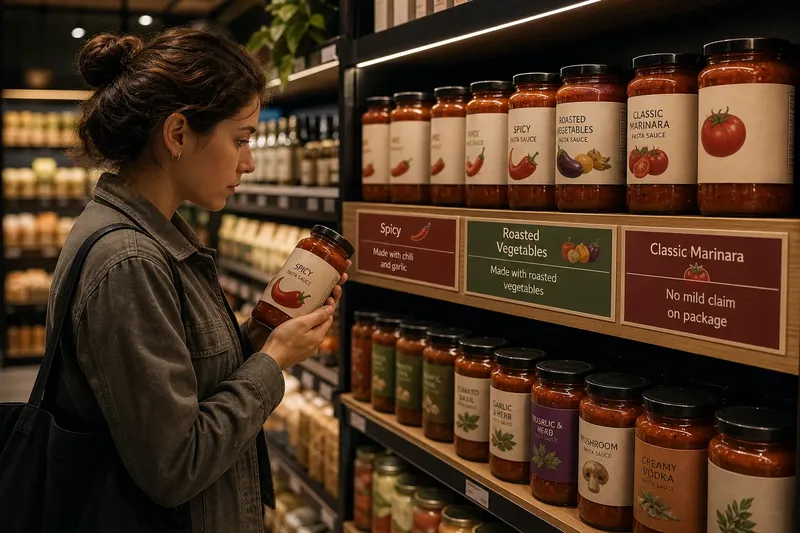
Self-service retail shifted the act of choosing from clerk to customer. In shops that adopted the format, shoppers picked goods from accessible stock rather than asking an employee to retrieve each item; the change altered the transaction as well as the store’s arrangement.
The shift did not happen everywhere at once, and the label covers different arrangements across places and types of shop. It is clearest as a change in who selected and gathered goods, not as a single date or universal replacement for counter service.
What did counter-service shopping ask of customers?
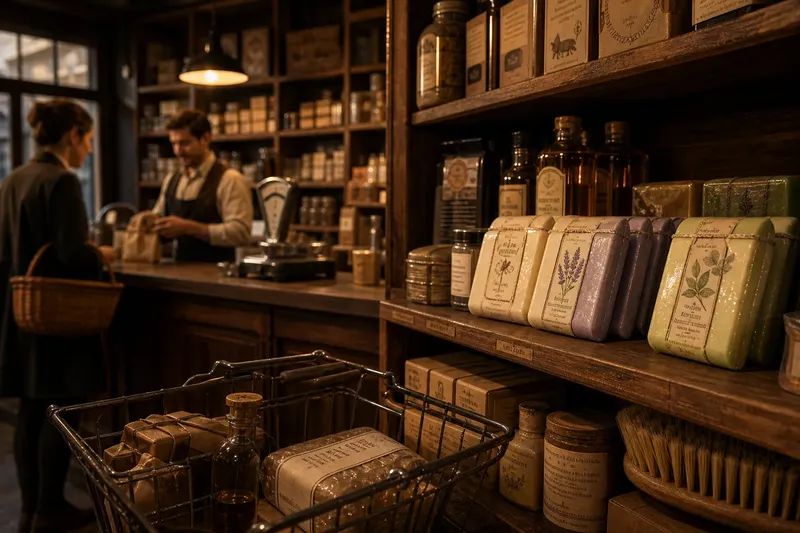
In a counter-service shop, customers told an employee what they wanted. The employee fetched the goods, answered questions, and assembled the order. Stock could remain behind the counter or in storage, out of reach until requested.
This gave the clerk an active part in the choice. A customer might rely on a description or ask to see an item, but did not necessarily handle several options before deciding. For goods that needed weighing, cutting, wrapping, or careful handling, staff could prepare the purchase as part of the service.
The arrangement also made a conversation the usual route to a product. That suited customers who wanted assistance; it was less convenient for someone who preferred to browse without asking for help.
What did self-service retail change?
Customers could find and select goods themselves. They took on the searching, comparing, carrying, and deciding that a clerk had previously handled or guided. Staff still served customers, but their work was less centered on fetching each requested item and more on keeping the shop operating and responding when help was needed.
That distinction matters more than the presence of shelves. A customer who could choose a familiar packaged item independently might complete that part of the purchase without speaking to an employee. An item needing preparation or explanation could still call for counter service.
Self-service therefore offered a different distribution of effort, not an absence of service. The shopper gained more direct control over selection and assumed more responsibility for making it.
How did self-service connect to the supermarket?
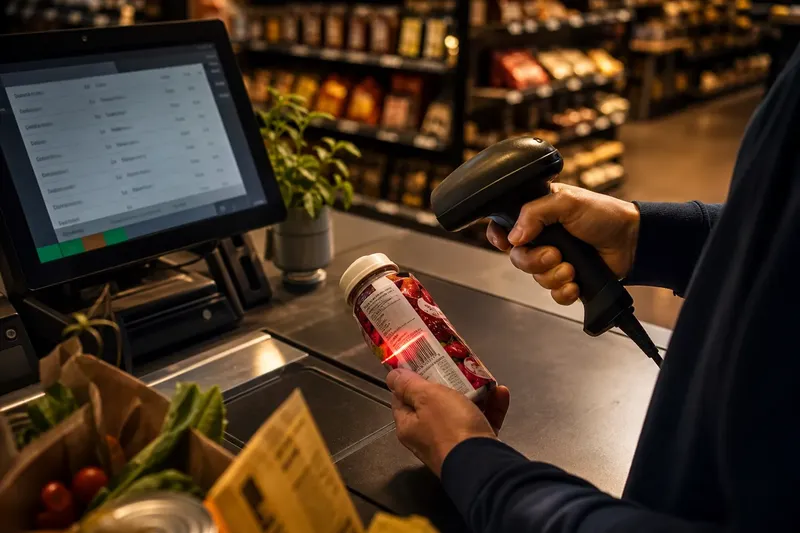
Self-service supplied a central feature of the supermarket: customers moved through the store, selected goods, and brought them to a checkout. Retailers could bring different kinds of merchandise into one shopping visit, rather than relying only on separate counter transactions.
A supermarket required more than open access to goods. It also depended on coordinating departments, maintaining stock, and handling purchases at checkout. That organization changed the shop’s operation alongside the customer’s role.
These developments varied by retailer and place, so it is more accurate to describe self-service as one part of the path toward supermarkets than as a single, uniform transition. Counter service remained useful for goods or tasks that did not fit independent selection.
What decisions shape a self-service arrangement?
A shop can decide product by product rather than treating self-service as an all-or-nothing policy. Each observation points toward a practical choice:
- Preparation: Check whether the item must be weighed, cut, wrapped, or otherwise prepared; if staff must do that work, keep the preparation at a staffed counter, but if the item is ready to take, consider customer selection.
- Need for explanation: Check whether a customer can distinguish the options from the information provided; if not, keep staff available or retain counter service, but if the choice is understandable without assistance, open access may fit.
- Handling: Check whether ordinary selection is likely to disturb or damage the goods; if so, have staff manage access, but if customers can handle the goods without disruption, consider self-service.
- Carrying: Check whether customers can manage the item during the rest of the visit; if not, offer staff assistance or collect it at checkout, but if it is easy to carry, let customers add it to their selections.
- Staff attention: Check whether employees can keep the area supplied while covering their other duties; if they cannot, revise the assignment or return the item to counter service, but if they can, continue the arrangement.
- Repeated requests: Check what customers ask staff to do; if requests are mainly for optional advice, keep the item accessible with help nearby, but if customers routinely need staff to identify or select it, reconsider open access.
Say you run a small shop with three kinds of soap kept behind the counter. You move all three packages to an open shelf, leave their labels facing outward, and keep an employee available to answer questions. During routine visits, customers take packages to checkout without asking staff to fetch them, but some still ask what distinguishes two varieties. You decide to keep the independently chosen soap on the shelf and add a plain-language description for the confusing pair; if questions continue because the distinction requires personal advice, you return that pair to counter service. The arrangement stays mixed rather than forcing every item into the same format.
What questions do readers ask about self-service retail?
When did self-service shopping begin?
Self-service developed before supermarkets became familiar, but adoption differed among places and types of shop. There is no single date that describes every retailer’s changeover.
Did self-service remove the need for clerks?
No. Customers handled more of the search and selection, while employees continued to answer questions, maintain stock, handle checkout, and serve goods that needed assistance. The work changed; it did not vanish.
Why did customers carry their own selections?
Customers gathered goods as they browsed instead of asking an employee to assemble each choice. Carrying those goods became part of the customer’s share of the transaction before checkout.
Did every product suit an open shelf?
No. Goods that needed preparation, careful handling, restricted access, or detailed explanation could remain under staff care. The appropriate arrangement depended on the item and the work involved.
Why did self-service remain a mixed form?
Open access made independent selection possible, but it did not make every product easy to choose or handle. A customer still had to understand what an item was and decide whether it suited the need. For some goods, staff involvement remained the more workable part of the transaction.
It is not worth the effort to force every item into one format for the sake of visual uniformity. A shop can let customers select familiar packaged goods while staff handle preparation, advice, or careful access. Self-service retail is best understood as a division of work: customers took on more selection, while employees maintained the operation and stepped in where independent browsing did not fit.