How Retail Displays Help Shoppers Compare Similar Products
Retail displays help shoppers compare similar products by making relevant differences clear, so shoppers can identify the option that fits their needs.
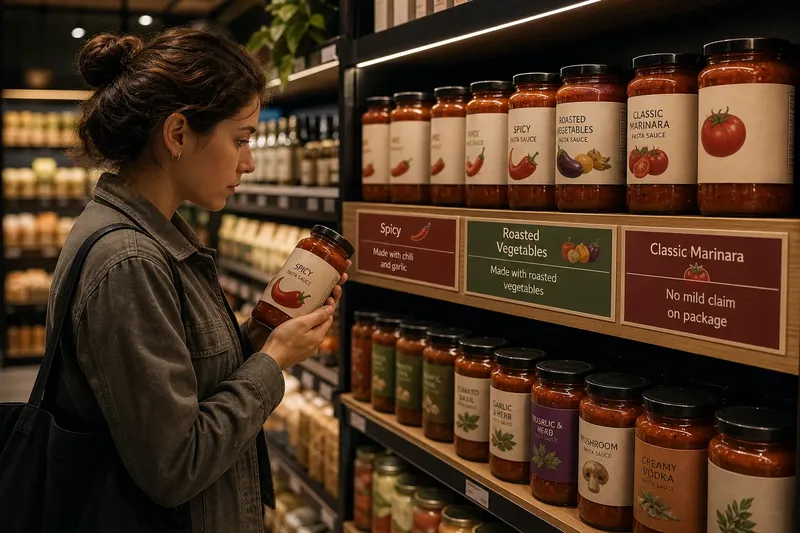
Retail displays help shoppers compare similar products when the shelf makes a useful distinction visible beside the item. A row of similar jars, for example, is easier to read when each label identifies a different flavor or intended use without asking shoppers to infer what the packaging leaves unclear.
At Trường Đại học Thương mại (TMU), commerce can be examined through the choices and working forms that connect sellers with buyers. A product display is one such form: it organizes alternatives while leaving the decision to the shopper.
Which differences help shoppers compare similar products?
Start with the choice a shopper is trying to make. Someone comparing coffee might care about roast or caffeine content; someone choosing paintbrushes might care about the surface each brush suits. A shelf description is useful when it names a real difference in language a shopper can readily understand.
Keep distinct claims distinct. “Fragrance-free” describes an attribute; “for sensitive skin” describes an intended use. A product may have both characteristics, but one does not establish the other. Use wording supported by the package or reliable product information, and leave out claims that cannot be substantiated.
How should a shelf group close alternatives?
Group products around a comparison shoppers can make, such as intended use, ingredient, or format. Keep close substitutes together when their similarities help shoppers compare them. Use separate, clearly named groups if placing products side by side could blur a difference in type or purpose. A tidy row is less useful if its organizing logic is known only to the stockroom.
Imagine a store with three hypothetical dish soaps in similar bottles. The package descriptions identify one as fragrance-free, another as concentrated, and the third as intended for a particular cleaning task. The store places them in the same dish-soap section and gives each a short shelf description matching its package. A shopper can distinguish the options without the display implying that one is best for everyone.
If there is no clear, supported basis for ranking products, show their names and variants without inventing a winner. A shelf can present options; it need not turn every difference into a contest.
What belongs on a shelf description?
A concise description can identify the product and state the distinction most relevant to comparison. Place it close to the item it describes. If a detail is already easy to see on the package, repeating it may add clutter rather than clarity.
- Product identity: Check that the shelf label names the item in its assigned space; if the name matches, keep it, but if it does not, correct the label or placement.
- Variant: Check the variant named on the package against the shelf description; if they match, retain the description, but if they differ, revise the text or move the item.
- Attribute: Check whether product information supports the stated attribute; if it does, use the precise wording, but if it does not, remove the claim or verify the information before using it.
- Intended use: Check whether the product information names a specific use; if it does, describe that use plainly, but if it does not, omit a guessed purpose.
- Sign placement: Check whether a shopper can associate the sign with one item; if the match is clear, leave it there, but if not, reposition or remove the sign.
- Missing item: Check whether the assigned space contains the product the label names; if it does, keep the arrangement, but if it does not, refill the space or adjust the display so the label does not point to an unavailable option.
- Promotional claim: Check whether a callout gives a specific, supported reason for highlighting the product; if it does, state that reason plainly, but if it does not, revise or remove the callout.
Badges, arrows, and slogans for every small variation are not worth the effort. If decoration competes with the distinction shoppers need, remove the decoration before adding another sign. Typography is not a substitute for a useful comparison.
How can a store tell whether shoppers can compare the options?
Consider the display from the aisle and check whether each description points to the right product and names a distinction shoppers can use. If a label says “gentle” without explaining or supporting the term, replace it with a specific, supported description or remove it. If two product types have been mixed together, separate and name the groups.
Say an employee is reviewing three hypothetical pasta sauces. The starting shelf has three jars, and the labels read “spicy,” “roasted vegetables,” and “mild,” though the third jar’s package gives no support for “mild.” The employee matches each label to its jar, checks each package, keeps the first two descriptions because they match the package information, and removes “mild” while retaining the third product’s name. The resulting shelf identifies two supported distinctions and leaves the third jar available without assigning it an unsupported quality.
What should shoppers ask about product comparisons?
Should close alternatives sit together?
Keep them together when they belong to the same category and the shelf makes their differences clear. Separate them when their proximity could confuse shoppers about a distinct type or purpose.
How much information should a shelf label include?
Include the product identity and a relevant distinction that is not already clear. Leave out duplicated package details unless repeating them resolves a genuine ambiguity.
Can a display highlight one product?
A display can highlight an option if it states a clear reason supported by product information. Without that basis, present the alternatives without implying an objective ranking.
What can a store change when the comparison remains unclear?
Look for a mismatch between item and label, a confusing group, or wording that goes beyond the product information. Correct that specific source of confusion, then have staff address questions the shelf cannot settle.
Retail displays help shoppers compare similar products when descriptions are specific, supported, and attached to the right items. The useful last check is whether each label describes the product in front of it, not the product a shopper hopes it might be.